
In survival games, reaching level 20 can be a significant milestone, yet many hardcore players find themselves falling short. Understanding the core mechanics and strategies can mean the difference between life and death in these challenging environments. This guide delves into the reasons behind early deaths and offers actionable insights to help players thrive beyond level 20.
Why Do Most Hardcore Players Die Before Level 20?
Many hardcore players die before reaching level 20 due to a combination of aggressive playstyles, lack of resource management, and underestimating environmental threats.
Hardcore players often approach survival games with a mindset focused on aggressive tactics, which can lead to reckless behavior. This aggressive playstyle often results in encounters with enemies or environmental hazards that are not adequately prepared for. Additionally, many players neglect the importance of resource management, leading to a lack of necessary supplies like food, water, and ammunition. The combination of these factors creates a perfect storm for early deaths, as players find themselves unprepared for the challenges that arise in the game world.
Moreover, environmental threats such as weather changes, wildlife encounters, and hostile player interactions can significantly impact survival chances. Players who do not adapt their strategies to account for these threats often find themselves overwhelmed. Understanding the game mechanics, such as damage calculations and resource depletion rates, is crucial for survival. By recognizing these pitfalls, players can adjust their strategies and improve their chances of reaching level 20 and beyond.
What Are the Key Strategies for Surviving Early Levels?
Key strategies for surviving early levels include effective resource management, strategic positioning, and understanding enemy behavior.
Effective resource management is critical in the early game, as players must gather and utilize resources wisely to ensure survival. This involves prioritizing essential items such as food, water, and crafting materials. Players should also learn to recognize the best locations for resource gathering, which can significantly enhance their chances of survival. Strategic positioning is equally important; players should avoid open areas where they can be easily targeted and instead utilize natural cover and high ground to their advantage.
- Identify and secure a safe base location early on to store resources and plan your next moves.
- Learn the map layout to navigate efficiently and avoid high-risk areas during early encounters.
- Practice stealth tactics to minimize encounters with enemies and wildlife until you are adequately equipped.
- Regularly check your inventory to ensure you have enough supplies and craft necessary items to enhance your survivability.
What Environmental Factors Should Players Consider?
Environmental factors such as weather, terrain, and wildlife play a crucial role in survival and must be carefully considered.
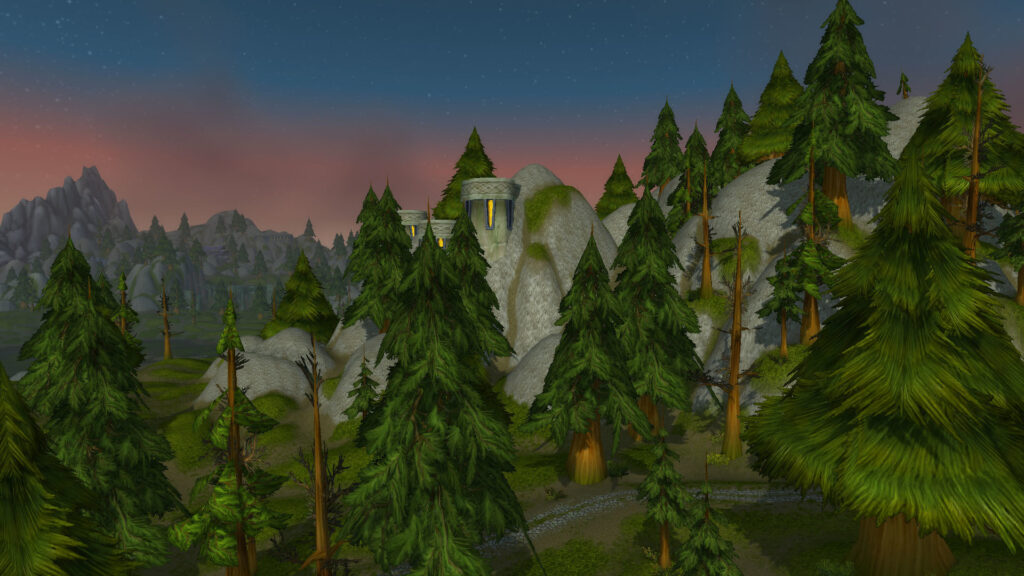
Understanding the environmental factors in survival games is essential for long-term success. Weather conditions can affect visibility, stamina, and health, making it imperative for players to adapt their strategies accordingly. For instance, rain can reduce visibility and make it harder to spot threats, while extreme temperatures can lead to health deterioration if players do not find shelter or appropriate clothing. Terrain features, such as cliffs or dense forests, can provide cover but may also hide dangers like ambushes from enemies or wildlife.
| Environmental Factor | Impact on Gameplay | Recommended Action | Survival Tips |
|---|---|---|---|
| Weather | Affects visibility and health | Seek shelter during storms | Carry extra clothing for temperature changes |
| Terrain | Provides cover or exposes players | Utilize high ground for visibility | Learn terrain features to navigate safely |
| Wildlife | Potential threats or resources | Avoid aggressive animals | Use stealth to evade or hunt wildlife |
How Can Players Improve Their Combat Skills?
Improving combat skills involves understanding weapon mechanics, practicing aim, and learning enemy patterns.
Combat in survival games can be unforgiving, especially for players who rush into encounters without proper preparation. Understanding weapon mechanics, such as damage output, reload times, and effective ranges, is essential for maximizing effectiveness in combat. Players should also practice their aim regularly, as precision can often mean the difference between victory and defeat. Additionally, learning enemy patterns, including attack timings and movement behaviors, allows players to anticipate actions and respond more effectively during engagements.
What Are the Best Practices for Long-Term Survival?
Best practices for long-term survival include continuous learning, adapting strategies, and maintaining a balanced inventory.
Long-term survival in hardcore modes requires players to continuously learn from their experiences and adapt their strategies accordingly. This includes analyzing past mistakes and adjusting playstyles to avoid repeating them. Maintaining a balanced inventory is also crucial; players should regularly assess their supplies and ensure they have a mix of food, water, tools, and weapons. This balance allows for flexibility in various situations, whether it be combat, resource gathering, or exploration.
Frequently Asked Questions
What is the most common mistake players make in survival games?
The most common mistake is underestimating the importance of resource management. Players often prioritize combat over gathering essential supplies, leading to early deaths due to starvation or lack of equipment.
How can I effectively manage my resources in the early game?
To manage resources effectively, prioritize gathering food and water first, then focus on crafting tools and weapons. Establish a base to store supplies and plan your resource-gathering routes strategically.
What should I do if I encounter a hostile player?
If you encounter a hostile player, assess your situation quickly. If you are outmatched, it’s often best to retreat and avoid confrontation. If you have the upper hand, use stealth and cover to engage effectively.